Perfecting Accounting Software Bookkeeping: Fundamental Tips for Small Business Success
Perfecting Accounting Software bookkeeping is essential for growing businesses aiming for financial precision. This robust software streamlines numerous elements of fiscal oversight. From automating invoicing to tracking expenses, Accounting Software can enhance workflow performance. Nevertheless, many small businesses overlook critical strategies that could maximize its capabilities. Understanding these nuances can distinguish a business from its competitors. What essential actions are needed to secure effective use of Accounting Software? These valuable tips will illuminate the route for effective fiscal oversight.
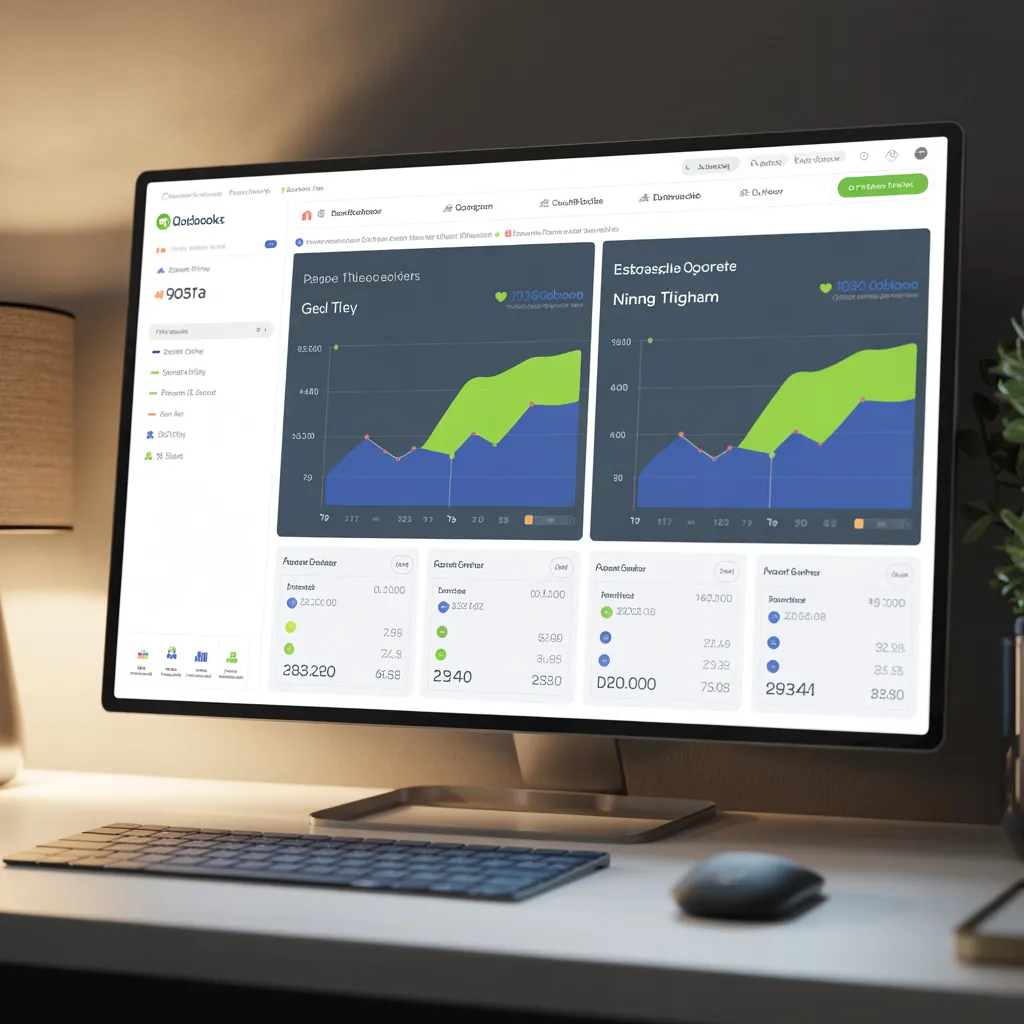
Why Accounting Software Is Essential for Small Businesses
Accounting Software has become an indispensable tool for small businesses, as it streamlines financial management and enhances operational efficiency. By delivering an easy-to-use interface, it empowers entrepreneurs to oversee invoicing, expense monitoring, and payroll administration with ease. The software streamlines labor-intensive tasks, decreasing the chances of errors and enabling business owners to concentrate on growth-oriented strategies.
Furthermore, Accounting Software features comprehensive reporting features that provide insights into financial health, supporting informed decision-making. Small enterprise leaders can readily assess liquidity, revenue margins, and additional key indicators, enabling them to navigate evolving market dynamics. Integration options with third-party platforms greatly strengthen its functionality, enabling efficient data processing across platforms. As a cloud-driven tool, Accounting Software assures that monetary records is accessible anytime, anywhere, promoting coordination between colleagues. In essence, Accounting Software is critical for emerging businesses seeking operational efficiency and sound financial management.
How to Correctly Configure Your Accounting Software Account
Establishing a Accounting Software account correctly is essential for optimizing its features. First, a user should identify the right version of Accounting Software that fits their operational needs, whether it be the Online version or the Desktop version. After selecting the right version, the next step requires creating a new account by providing basic information such as the business name, address, and industry type. This input helps Accounting Software tailor its capabilities to the unique requirements of the organization.
Once the account is established, users should configure their chart of accounts, categorizing income, expenses, assets, and liabilities in alignment with their financial structure. Subsequently, linking bank accounts and credit cards facilitates seamless transaction tracking. To conclude, adjusting preferences, such as invoice templates and sales tax, confirms that the account corresponds to the business's operational standards. By diligently following these steps, users can create a solid foundation for effective bookkeeping with Accounting Software.
Simplifying Invoicing Using Accounting Software Tools
Invoicing is frequently a lengthy and demanding task for businesses, but Accounting Software provides solutions to streamline the process. By automating the creation of invoices and personalizing templates, users can enhance efficiency and maintain a professional appearance. This method not only reduces time spent but also ensures uniformity in billing procedures.
Streamlining Invoice Creation
Optimizing the invoicing process can considerably boost a organization's efficiency and cash flow. Automating invoice generation in Accounting Software allows businesses to save time and reduce errors. By setting up recurring invoices for existing clients, companies can secure timely billing without human intervention. Accounting Software also allows users to generate and organize invoices, simplifying the payment collection process. The software can seamlessly calculate taxes and discounts, eliminating the need for tedious calculations. Furthermore, automated reminders can be sent to clients, improving the chances of prompt payments. This feature not only minimizes administrative burdens but also promotes better cash flow management. Ultimately, automating invoice generation allows business owners to concentrate on growth rather than routine tasks.
Personalizing Invoice Templates
Tailoring billing templates in Accounting Software enables businesses to create customized billing experiences that reflect their brand identity. By leveraging Accounting Software' powerful design tools, users can modify elements such as colors, fonts, and logos to ensure consistency with their overall branding. This tailoring not only elevates the professional appearance of invoices but also fosters trust and recognition among clients. Additionally, businesses can adjust invoice fields to incorporate specific information relevant to their services, such as payment terms or item descriptions. Accounting Software also permits users to store multiple templates for various clients or services, streamlining the invoicing process. In summary, personalized invoice templates in Accounting Software greatly improve the productivity and accuracy of billing, supporting a more efficient financial workflow.
Managing Your Expenses With Accounting Software Efficiency
Efficient expense tracking in Accounting Software requires arranging expense groupings and utilizing receipt capture features. By categorizing expenses accurately, users can achieve a deeper understanding of their financial position. Moreover, employing receipt capture functionality optimizes the procedure, reducing manual input and improving precision.
Managing Expense Categories
Furthermore, subcategories can help refine tracking even more, allowing businesses to monitor specific expenses in detail. Periodically examining and revising these categories confirms they continue to be useful as the business develops. With properly organized expense classifications, small businesses can enhance the precision of financial statements and reach well-informed decisions that promote lasting growth and stability. Effective categorization ultimately leads to better financial health and clarity in business operations.
Making Use of Receipt Capture
Simplifying expense tracking is made considerably more efficient with the utilization of receipt capture in Accounting Software. This functionality enables small business owners to effortlessly digitize and organize their receipts, minimizing the risk of lost documents. Individuals can conveniently snap an image of a receipt using the Accounting Software mobile app, which seamlessly captures important details such as transaction date, merchant, and cost. These details are subsequently organized and integrated with current records, maintaining correctness and conserving precious time. By utilizing this powerful receipt scanning tool, businesses can establish stronger financial visibility and ease tax management. Additionally, this feature strengthens adherence to documentation standards, delivering confidence when facing financial reviews. Ultimately, adopting receipt capture within everyday business processes substantially enhances the effectiveness of expense tracking.
Using Financial Reports for Smart Decision-Making
Leveraging the strength of linked resource financial reports can markedly improve decision-making within a business. These reports, which include income statements, balance sheets, and liquidity assessments, provide essential insights into a company's financial health. By consistently analyzing these documents, business owners can recognize patterns, evaluate earnings, and detect emerging challenges.
Financial documents additionally enable well-informed budgeting and future projections, allowing for strategic resource allocation. For instance, a comprehensive review of revenue channels can identify underperforming products or services, driving targeted marketing efforts or operational refinements. Moreover, recognizing cash flow trends assists in avoiding cash flow shortfalls, guaranteeing the company can fulfill its financial commitments.
In the end, utilizing financial reports enables small business owners to make informed, data-driven decisions, fostering growth, efficiency, and long-term sustainability. By integrating these insights into their strategic planning, businesses can navigate challenges and capitalize on opportunities more effectively.
Top 5 Accounting Software Mistakes Small Businesses Make
Understanding financial reports is a critical step for small companies seeking to enhance their decision-making. However, many companies experience difficulties when working with Accounting Software. One common mistake is neglecting to reconcile accounts regularly, which can result in errors within financial statements. Additionally, not taking the time to categorize expenses accurately can skew profit margins and give a false impression to business owners about their overall financial condition.
Another prevalent issue is overlooking the significance of backups. When data backups are not performed regularly, businesses face the danger of losing vital financial records. A large number of small enterprises also overlook the importance of utilizing reports; not leveraging these tools can impede sound business strategy. To conclude, insufficient knowledge of Accounting Software capabilities leads to unproductive work processes, causing wasted time and possible mistakes. By acknowledging and resolving these issues, small businesses can enhance how they utilize Accounting Software, creating a foundation for stronger financial management and long-term success.
Accounting Software Learning Materials for Continued Support
What methods can small businesses use to consistently enhance their Accounting Software abilities? Utilizing a range of educational materials can play a key role in improving bookkeeping competence. Accounting Software offers official training modules and certification programs designed to help users master the software. These courses cover essential features and advanced functionalities, catering to different skill levels.
Moreover, entrepreneurs can take advantage of digital learning platforms, such as Udemy and LinkedIn Learning, which offer instructional videos and expert-guided courses. Taking part in community forums, like Intuit's Community platform, enables users to share experiences and solutions, fostering a collaborative learning environment.
In addition, community workshops and online webinars regularly deliver practical training, deepening practical insight. Following Accounting Software blogs and signing up for newsletters can keep businesses updated on emerging features and industry best practices. By taking advantage of these multiple resources, small enterprises can achieve continuous support and steady improvement in their Accounting Software accounting abilities.
Frequently Asked Questions
Is It Possible to Use Accounting Software for Multiple Businesses?
Yes, Accounting Software is suitable for several businesses. Users can create distinct company files for each individual business, allowing them to handle finances, monitor transactions, and create reports separately, maintaining organized bookkeeping across various ventures.
How Frequently Should I Reconcile My Accounts in Accounting Software?
Accounting Software accounts should be reconciled on a monthly basis to guarantee accuracy. Routine reconciliation makes it easier to catch discrepancies promptly, preserving financial integrity and providing a clear picture of the business's financial health to support informed decision-making.
What Integrations Does Accounting Software Offer for E-Commerce?
Accounting Software provides numerous integrations for online retail, including solutions such as BigCommerce, Shopify, and WooCommerce. These powerful integrations streamline financial processes, permitting users to sync sales data automatically and efficiently manage inventory directly within Accounting Software.
Can Non-Profit Organizations Benefit from Accounting Software?
Accounting Software is indeed suitable for not-for-profit organizations, delivering capabilities customized for recording donations, administering grants, and creating financial reports. Its customizable tools help non-profits maintain transparency and guarantee compliance with legal and regulatory obligations successfully.
How Do I Handle Payroll in Accounting Software?
To process payroll in Accounting Software, it is essential to establish employee profiles, enter the required tax details, and run payroll through the software's built-in payroll tools. Consistently examine reports to ensure precision and adherence to regulations.